TL;DR: Old Dubai is where the city keeps its receipts - centuries of trade, migration, and culture compressed into a few square kilometres of creek-side neighbourhoods. This is the guide to doing it properly.
Why Old Dubai Matters
Everyone lands in Dubai and looks up. The Burj Khalifa, the Marina towers, the Frame - all designed to make your neck hurt. But if you want to understand this city, look across the creek instead.
Old Dubai is where the story starts. Before the skyscrapers, before the oil money - there was the creek, the dhows, and a trading post that connected India to East Africa to Persia. The merchants who sailed in brought spices, textiles, gold, and their cultures with them. That's still here. You just have to know where to look.
I've lived in this city for over 30 years. I've watched Old Dubai evolve, gentrify in spots, hold its ground in others. Every alley has a layer of history that the hop-on-hop-off bus will never tell you about.
Al Fahidi Historical District
Start here. Originally known as Al Bastakiya, this neighbourhood was built by Persian merchants in the early 1900s. The wind towers (barjeel) aren't decorative - they're pre-AC ventilation systems that funnelled gulf breezes down into the rooms below.
Narrow lanes, restored courtyard houses turned into galleries, the XVA Art Hotel, the Coffee Museum, and the Sheikh Mohammed Centre for Cultural Understanding (SMCCU) - which runs cultural breakfasts and lunches where you can ask anything about Emirati life without worrying about being rude. They've heard it all.
Best Time to Visit Al Fahidi
Go in the morning before it heats up (October to April), or late afternoon when the light hits the coral-and-gypsum walls just right. Friday mornings are quietest.
The Souks: Gold, Spice & Textile
Gold Souk
Yes, it's touristy. Yes, they'll call out to you. But the Gold Souk is also the largest gold market in the world by volume, and the craftsmanship in some of those shops is genuinely excellent. The trick is to walk past the first row of shops (the ones with the biggest signs) and head deeper in. That's where the family-run stores with the custom work live. Haggling is expected - start at 60-70% of the asking price and meet somewhere in the middle. If they won't budge, walk away and see what happens.
Spice Souk
Right next to the Gold Souk and infinitely more photogenic. Burlap sacks of saffron, dried limes, frankincense, and every spice you've smelled but couldn't name. The vendors here are generally more relaxed than the gold side. Buy some oud chips or bakhoor (incense) - it's what every Emirati home smells like, and it makes a better souvenir than a fridge magnet. And while you're here, get a falooda from Jafer Biman - it's a must. Rose-flavoured, cold, and exactly what you need after walking through narrow souk corridors.
Textile Souk (Bur Dubai Side)
Cross the creek on the abra and you're in Bur Dubai's textile souk. Rolls of silk, pashmina, lace, and every fabric you can think of, mostly at wholesale prices. If you're buying fabric for tailoring, this is where Dubai's tailors source their materials. While you're here, look for Hamad Khalfan - grab their pakoras and whatever other food bites they have going. Street food at its most honest. And if you want more textiles and ready-made garments, take a short walk to Meena Bazaar - it's the go-to for saris, East Asian wear, and fabrics at prices that make the malls look absurd.
Dubai Creek & the Abra Crossing
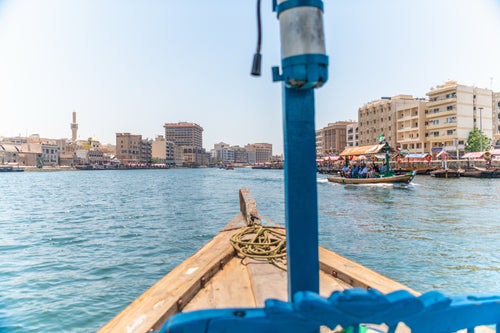
The creek isn't a river; it's a natural seawater inlet that splits Deira from Bur Dubai. It's the reason this city exists. Before roads, before bridges, before the metro - the creek was the highway, and the abra was the taxi.
An abra ride is one of those things that costs almost nothing and gives you almost everything. You sit on a wooden boat with a dozen strangers, the driver weaves between cargo dhows that still operate exactly as they did a century ago, and for about five minutes you're transported to something that feels nothing like modern Dubai. The dhows moored along Deira's creek-side are loaded with goods heading to Iran, Pakistan, East Africa - this is still a functioning trade route, not a museum piece.
Abra Stations & Pricing
The traditional wooden abra stations run from Deira Spice Souk and Bur Dubai Abra Station. Shared boats to cross (one-way) cost AED 1 per person, or AED 20 for a private boat. There are also newer stations with covered, seated boats at AED 2 per ride - buy tickets from the info desks or book ahead online via the RTA Marine Transport website. Both run from early morning to midnight. Note: traditional abras take a break during iftar time in Ramadan.
Best Food Stops in Old Dubai
Old Dubai's food scene is the real thing - no concept dining, no Instagram-bait plating, just decades of recipes brought by the communities who settled here. Here's where I send people:
Al Khayma Heritage Restaurant
My top choice in Old Dubai. Emirati and Middle Eastern dishes served in a setting that actually respects the food. The machboos is my personal fav, the desserts are grandma approved, and the whole experience feels like eating at someone's home rather than a restaurant trying to sell you "authenticity." Go hungry.
Jafer Biman (Spice Souk)
You come here for one thing: falooda. Rose syrup and vermicelli - cold, sweet, and the best reward after walking the souks. Non-negotiable stop.
Hamad Khalfan (Bur Dubai Textile Market)
Pakoras and assorted food bites from a spot that's been feeding the textile souk crowd forever. Nothing fancy, everything delicious.
Mazmi Gelato (Al Fahidi)
Their new Al Fahidi branch is perfectly positioned for a post-walking-tour cool-down. Artisanal gelato with flavours that rotate - they do Middle Eastern-inspired options alongside the classics. A proper scoop, not the tourist-trap stuff.
Falafel Al Kofiya (Al Seef)
Falafel, a side of hummus, simple and delicious. That's it. That's the review. Sometimes the best food is the stuff that doesn't try to be anything other than exactly what it is.
Al Ustad Special Kebab (Bur Dubai)
A Dubai institution since 1978. Go for their soup, hummus, and mixed grill served with white rice and zereshk (barberries) sprinkled with sumac and white onions. Iranian-influenced, consistently excellent, and the kind of place where the waiters remember regulars. Don't overthink the menu - the mixed grill is the move.
Al Fanar (Al Seef)
For seafood with an Emirati twist. Al Fanar does traditional Emirati cuisine properly - the seafood dishes especially. Good for a sit-down meal when you want something more substantial than street food but still rooted in the neighbourhood's character.
Eat Like a Local
Most of these spots are busiest at lunch (served from 12pm onwards) and just after sunset. Go slightly off-peak (before noon or around 2pm) for the same food without the wait. And always - always - try something you can't pronounce.
Practical Tips
Best Time to Visit
October through April. Mornings are best for walking (start by 9am). The souks get busy after 10am and again after 4pm when the heat drops. Avoid midday in summer unless you enjoy the feeling of melting.
What to Wear
Comfortable walking shoes - the souk floors are uneven and you'll cover more ground than you think. Shoulders and knees covered is respectful and practical (less sunburn). Loose, breathable fabrics. Leave the heels at the hotel.
How Long to Budget
A proper Old Dubai visit takes 4-5 hours minimum if you're walking, eating, and actually stopping to look at things. Half-day is ideal. You can rush it in 2 hours, but you'll miss everything that makes it worth visiting.
Getting There
Metro to Sharaf DG station (Green Line) for the Bur Dubai side, or Al Ras station for Deira and the Gold Souk. Taxis are cheap and everywhere. Parking is available but the streets are narrow - metro is smarter.
Walk It With Someone Who Knows
I built my Old Dubai Walking Tour around everything in this guide and a lot more that doesn't translate to a blog post - the stories behind the doors, the shortcuts between souks, the food stops that don't have Google listings. It's 4.25 hours, max 12 people, tastings included, and zero flags.
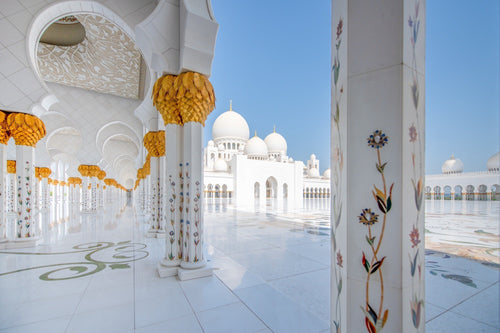
If you want to see Dubai's modern marvels, the Dubai Landmarks Tour covers that side of the city in 7 hours. And the Abu Dhabi Cultural Tour takes you to Louvre Abu Dhabi (self-guided), the Presidential Palace, and Sheikh Zayed Grand Mosque - a great complement to an Old Dubai visit.
Or if you want something entirely your own - build a private tour around what interests you most.
Planning to walk it? My guide to the Old Dubai walking tour route, timings and how to choose one covers the 3 quarters, the abra crossings, souk opening hours and how to shop the Gold Souk well.
Still with me?
The rest of this guide is one email away.