TL;DR: Non-Muslims may eat and drink in public, some venues open on slightly different hours, and knafeh is morally compulsory.
Fasting, Community & Kindness
Ramadan is the 9th month of the Islamic calendar and one of the 5 pillars of Islam. It commemorates the Prophet Muhammad's (PBUH) first Qur'anic revelation in 610 CE.
Healthy, able Muslims who are fasting eat nothing, drink nothing (even water), and refrain from smoking between the pre-dawn fajr and sunset maghrib prayers. The fast is broken nightly with dates, water, and a communal meal called iftar.
Ramadan 2026
Expected to begin 18 or 19 February 2026. The official start is confirmed by the UAE moon-sighting committee the night before.
Daylight Etiquette for Non-Fasters
Eating & Drinking
- Caf�s, restaurants, and beach clubs are open
- Eating/drinking outside is legal, but stepping indoors shows respect
- Kids can snack anywhere, any time
Dress
Shoulders and knees covered in malls, mosques, and souks. Loose cotton beats Lycra.
Greeting
What to Say
"Ramadan Kareem" or "Ramadan Mubarak". Smile first; let a fasting friend offer the handshake.
Opening Hours & Tourist Rhythm
| What | During Ramadan |
|---|---|
| Malls & Theme Parks | Quiet mornings, open until 1-3am |
| Museums & Attractions | Tweaked schedules, check official sites |
| Roads & Taxis | Empty after lunch, jammed around 5pm |
Things to Do in Dubai During Ramadan
Ramadan doesn't put Dubai on pause - it rewires the city's entire rhythm. The days are quieter, the nights are electric, and there are experiences you simply cannot have at any other time of year. Here's what's worth your time:
Break Fast Like You Mean It
The centrepiece of any Ramadan visit is iftar - and you've got options that range from the sacred to the scenic. While this one isn't technically in Dubai, it's absolutely worth the drive: Sheikh Zayed Grand Mosque in Abu Dhabi serves 35,000 dinners daily, free and open to everyone, with separate areas for families and solo diners. If you want the guided cultural context behind it all, I run a Tour & Iftar experience at the mosque that pairs a deep-dive into the architecture and Islamic art with the iftar itself - it's one of those once-in-a-lifetime evenings.
For something more intimate, the Sheikh Mohammed Centre for Cultural Understanding (SMCCU) hosts Ramadan meals with open Q&A sessions - excellent for understanding the "why" behind the fasting, the food, and the traditions.
Want a different setting? Lady NARA runs a cruise-and-iftar option, so you break fast on the water as the sun drops behind the skyline. Or grab a table at Awani at JBR - views of Ain Dubai and the beach, iftar spread in front of you, no complaints.
Take an Abra Across Dubai Creek at Sunset
Time it right and you'll be mid-creek when the call to prayer rolls across the water from both banks. Costs 1 dirham, lasts 5 minutes, stays with you a lot longer than most things you'll spend 500 dirhams on.
Walk Al Seef After Dark
The heritage side of Al Seef comes alive after iftar. Markets stay open late, the creek-side walkway is lit up, and the whole area shifts into a different energy during Ramadan nights. Good for an evening stroll, some shopping, and watching the city exhale after a day of fasting.
Visit Jumeirah Mosque
One of the few mosques in Dubai open to non-Muslims year-round. They run guided tours that cover Islamic culture, architecture, and Q&A - but visiting during Ramadan adds a layer of context you won't get at any other time. Worth the visit even if you've been before.
Hit the Night Markets
Malls and souks shift to evening hours. Night markets pop up. The whole post-iftar social scene is uniquely Ramadan - families out late, kids running around at midnight, and an energy that doesn't exist the rest of the year. The souks of Old Dubai are especially atmospheric after dark.
Evening Desert Safari
Post-iftar desert experiences with traditional entertainment. The cooler Ramadan evenings (late Feb through March) make this far more comfortable than the summer version, and many camps adjust their programming for the season.
Where to Break Fast
Iftar (Sunset Meal)
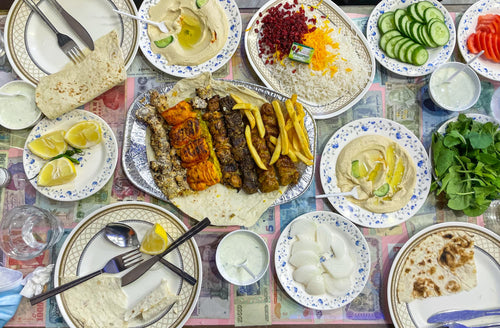
When the cannon's echo fades, the city splits into two nocturnal acts. Iftar comes first: some venues offer sprawling buffets with mezze, lamb ouzi, and dessert pyramids. Others serve set multi-course menus or their usual �-la-carte lineup in Ramadan-friendly portions.
Book Early
Sunset seats disappear fast. Reserve ahead for popular spots.
Suhoor (Pre-Dawn Meal)
A few hours later, kitchens reset for suhoor. Restaurants drop the lights, swap playlists for oud, and serve until 2-3am. The real magnet is the seasonal suhoor tent: a low-lit pavilion where families sink into cushions, friends trade backgammon victories, and conversation stretches until the early hours.
Free Communal Iftars
Sheikh Zayed Grand Mosque
Caters 35,000 dinners daily with sectioned areas for families and solo diners. Free and open to all.
Must-Try Ramadan Treats
| Treat | What It Is |
|---|---|
| Luqaimat | Crispy dough balls drenched in date syrup. Best hot. |
| Atayef | Bite-sized pancakes with cheese, cream, or walnuts |
| Knafeh | Molten cheese under crispy buttered vermicelli |
| Jallab | Rosewater & date molasses over ice with pine nuts |
| Qamar al-Deen | Thick, velvety apricot nectar |
FAQs
? Yes
- Tourists can eat & drink (indoors preferred)
- Licensed venues serve alcohol as usual
- Beaches stay open for swimming & sunbathing
? Avoid
- Eating/drinking openly in front of fasting people
- Public drunkenness (that rule never sleeps)
- Revealing clothing in public spaces
Final Word
Ramadan doesn't close the UAE; it changes the rhythm. Sync your day to the sunset cannon, accept a free mosque meal, and bite into a late-night knafeh. You'll fly home fuller, in every sense, than you arrived.
Ready to Experience This in Person?
Join Nada on a small-group walking tour and see these places through the eyes of someone who has called this city home for over 30 years.